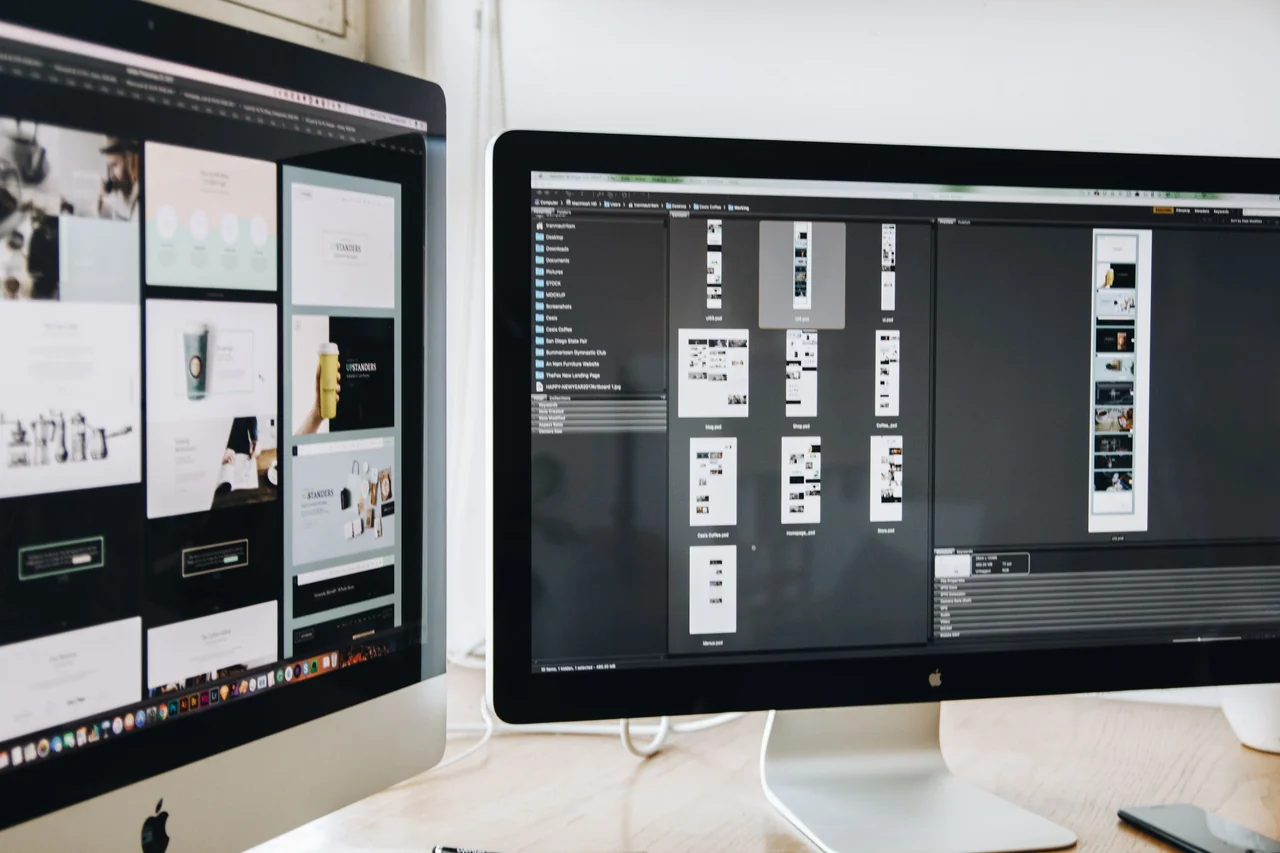

Contemporary studio desk with dual monitors displaying web design layouts
Structured Web Design Curriculum

Web Design Courses Built on Principles, Precision, and Craft

Explore five structured educational programmes designed to cultivate visual discernment, responsive systems, and practical digital interface knowledge.

Web interface design workspace with typography specimens
Curriculum Matrix 2026

Disciplined Digital Craft

Five foundational programmes delivering rigorous visual communication and interface theory.

Educational Framework
Visual Theory Modern UI Systems UX Architecture Responsive Standards

Taught from Heaton Moor, Stockport, for ambitious digital designers across the United Kingdom.

Learn about our ethos
Academic Progression

Five Core Study Pathways

Our structured syllabus balances visual aesthetics with technical discipline. Every stage delivers tangible digital design capability.

01
Foundations

Web Design Fundamentals

Establish robust creative judgement through visual hierarchy, typographic scales, colour proportion, and grid-based composition.

Key Module Inclusions
  • Visual hierarchy & measure principles
  • Typographic rhythm and font pairings
  • Colour theory and accessible contrast
  • Structural layout composition models

02
Interface

UI Design — User Interface Systems

Master design tokens, component architecture, spacing scales, micro-interactions, and visual states for digital software surfaces.

Key Module Inclusions
  • Component libraries & state architectures
  • Systematic spatial & elevation models
  • Navigation frameworks and form ergonomics
  • Interactive prototyping and state fidelity
03
Architecture

UX Design — Principles & Usability

Analyse user journeys, information taxonomies, accessibility requirements, and testing methodologies for thoughtful web experiences.

Key Module Inclusions
  • User journey mapping & task analysis
  • Information architecture & navigation trees
  • Wireframing from low to mid fidelity
  • Heuristic evaluation and accessibility audits
04
Adaptability

Responsive Web Design

Develop modern mobile-first philosophies, fluid typography, flexible grid systems, and breakpoint orchestration across screen sizes.

Key Module Inclusions
  • Mobile-first strategy and content budgeting
  • Fluid typography calculations and clamp values
  • Modern CSS Grid & Flexbox reflow logic
  • Device-agnostic performance & touch ergonomics
05
Mastery

Advanced Visual Design

Refine editorial art direction, bespoke typography treatments, expressive surface languages, and unified design system documentation.

Key Module Inclusions
  • Editorial layouts and asymmetric composition
  • Comprehensive multi-brand design tokens
  • Visual narrative craft and micro-interaction polish
  • Portfolio curation and presentation standard

Every course is structured as an intellectual discipline: clear theory paired with purposeful digital craft.

Comprehensive Syllabus Breakdown & Objectives

Curriculum Dossier Structured Academic Overview

Each programme below operates as a self-contained study pathway. Learners dissect contemporary websites, analyse structural frameworks, and complete rigorous design briefs focused on practical problem-solving rather than rote software memorisation.

We cultivate visual judgement alongside technical literacy, preparing students to formulate independent creative rationales and articulate digital design decisions with authority.

Laptop displaying code and web design layout in clean studio
Programme 01 • 8 Weeks
Foundational Study

1. Web Design Fundamentals

An essential grounding in how websites are structured, viewed, and understood. This programme explores the timeless visual rules that govern balance, contrast, and visual rhythm across digital media.

Main Learning Topics

Visual hierarchy, modular scales, baseline grids, typographic weights, colour harmonies, negative space manipulation, and basic HTML/CSS structural concepts.

Educational Objectives

Develop the capacity to deconstruct digital compositions, justify structural design choices, and produce balanced layouts from blank canvases.

Practical Design Exercises

Re-typesetting editorial articles, balancing multi-column landing page mock-ups, creating disciplined colour palettes, and composing structural wireframes.

Audience & Prerequisites

Aspiring designers and career changers. No previous design or coding experience required; foundational digital literacy is assumed.

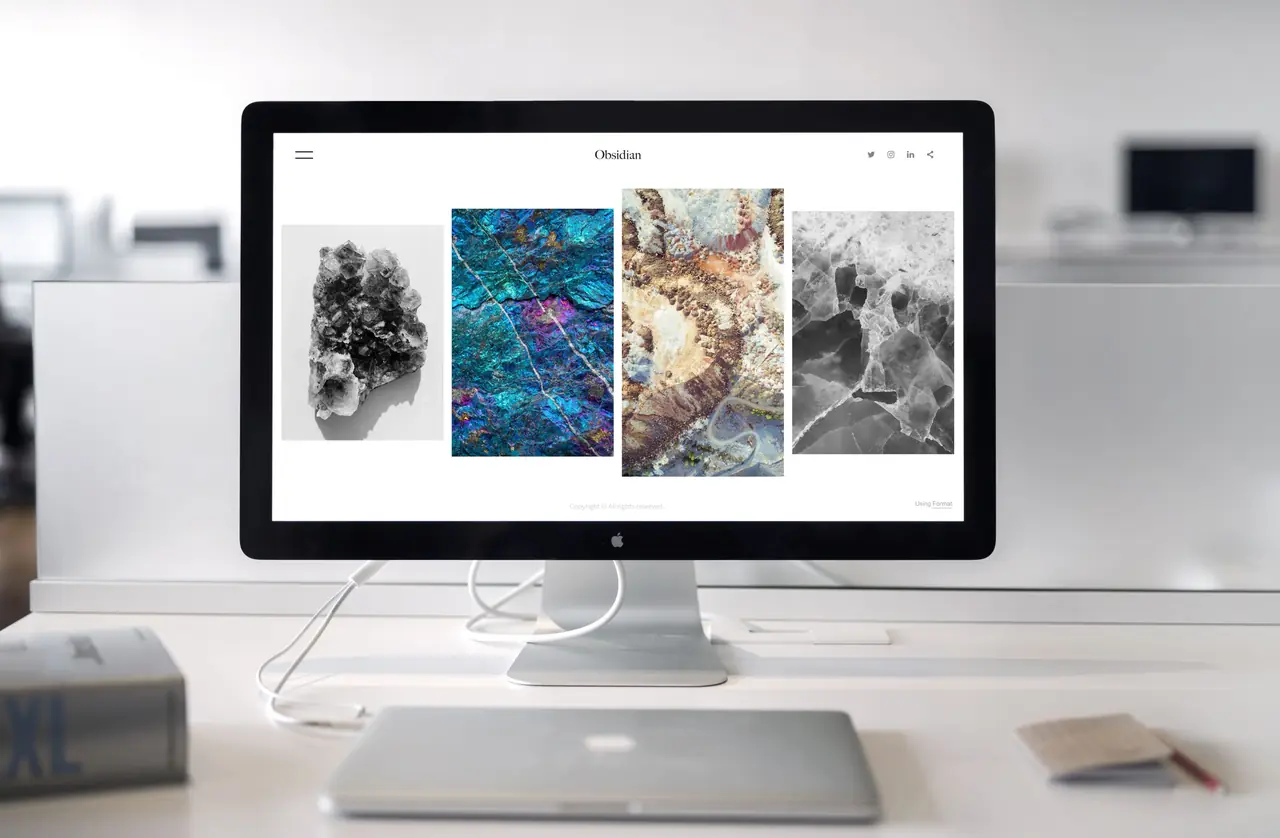
Dual monitor workspace displaying UI design assets and button states
Programme 02 • 10 Weeks
Visual Systems

2. UI Design — User Interface Systems

Transition from general composition to the exacting world of digital components. Learn how buttons, inputs, modals, navigation rails, and card variants form coherent, accessible visual ecosystems.

Main Learning Topics

Design tokens, 8pt spatial scales, accessible interactive states (hover, focus, disabled, active), input ergonomics, and component reusability.

Educational Objectives

Build cohesive, scalable design systems; maintain visual discipline across complex web applications; eliminate visual inconsistency.

Practical Design Exercises

Constructing a 24-piece UI kit, designing accessible multi-step form journeys, and engineering comprehensive interactive design documentation.

Audience & Prerequisites

Designers seeking structured software interface skills. Recommended completion of Fundamentals or equivalent familiarity with visual design tools.

Design sketches and wireframes on desk beside computer monitor
Programme 03 • 10 Weeks
Usability & Structure

3. UX Design — User Experience Principles

Understand human behaviour, mental models, and content organisation. Learn to research user friction, construct intuitive site architectures, and validate concepts through rigorous usability reviews.

Main Learning Topics

Information architecture, card sorting, user flow diagrams, low-fidelity wireframing, cognitive load theory, and accessibility compliance (WCAG 2.1 AA).

Educational Objectives

Anticipate user confusion, streamline navigation flows, evaluate websites through heuristic rubrics, and deliver user-centred functional design.

Practical Design Exercises

Mapping a complete onboarding flow, conducting structured heuristic evaluations, and reorganising complex editorial website sitemaps.

Audience & Prerequisites

Open to learners who appreciate clarity, logic, and analytical problem-solving. No programming knowledge required.

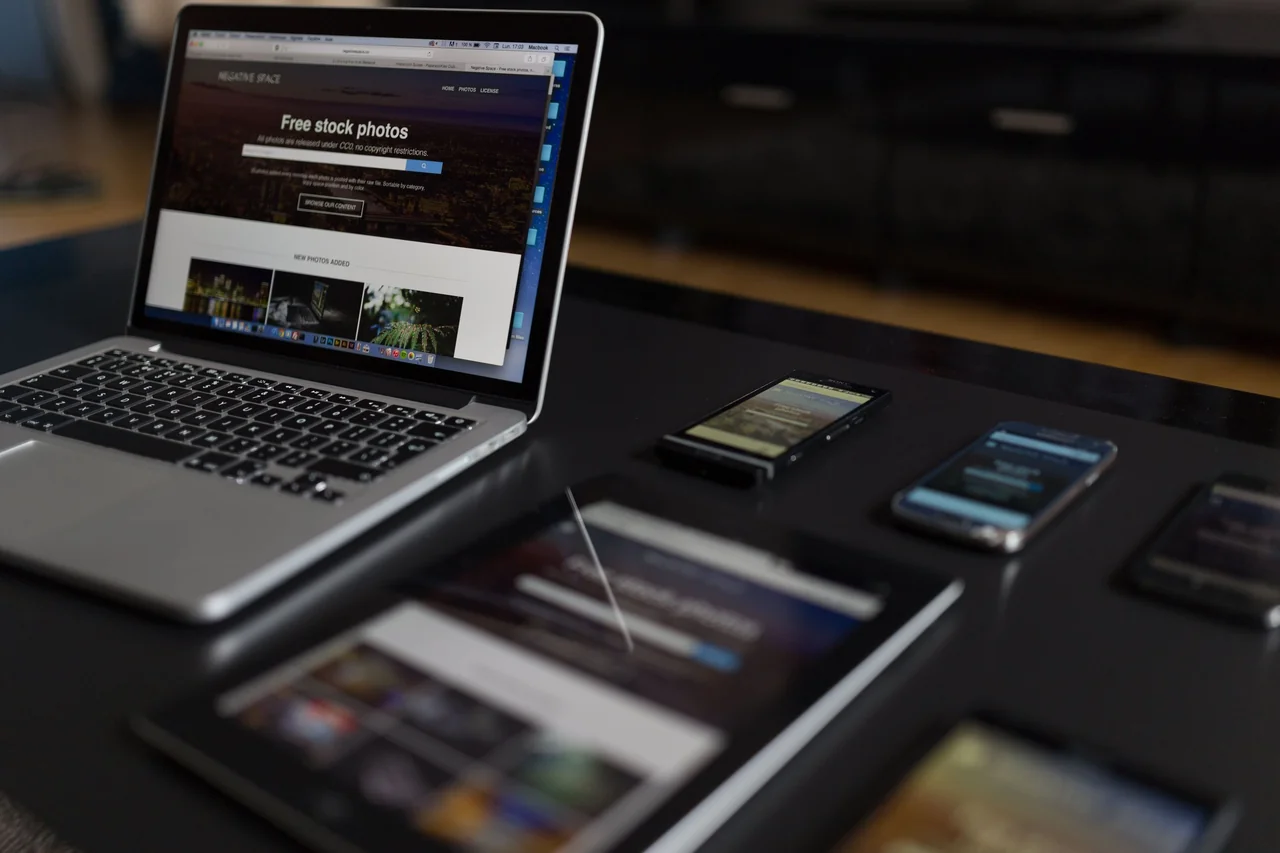
Multiple device screens demonstrating responsive design reflow
Programme 04 • 8 Weeks
Adaptive Formats

4. Responsive Web Design

A contemporary website must thrive across handheld, portable, and ultra-wide displays. Master the art of liquid typography, auto-flowing grid structures, and touch ergonomics.

Main Learning Topics

Mobile-first design philosophy, responsive breakpoints, CSS Grid minmax patterns, fluid clamp formulas, responsive imagery strategies, and touch-target standards.

Educational Objectives

Design interfaces that reflow naturally without horizontal clipping, preserve typographic hierarchy on small screens, and optimise touch usability.

Practical Design Exercises

Adapting a dense magazine desktop layout to mobile viewports, engineering responsive navigation patterns, and defining multi-device layout specifications.

Audience & Prerequisites

Intermediate learners, visual designers, and front-end practitioners wanting deeper structural control over responsive viewports.

Minimalist desk setup with silver computer and editorial layout concept
Programme 05 • 12 Weeks
Creative Direction

5. Advanced Visual Design

For designers aiming to produce distinctive, award-calibre digital experiences. Explore bespoke typographic expressions, atmospheric surface textures, asymmetric editorial grids, and master-level portfolio craft.

Main Learning Topics

Bespoke art direction, micro-interaction restraint, tactile editorial textures, high-contrast typography pairing, and cohesive studio identity systems.

Educational Objectives

Cultivate a mature aesthetic voice, build memorable and nuanced digital identities, and assemble an exceptional portfolio of work.

Practical Design Exercises

Designing an editorial monograph website, art-directing a cultural exhibition platform, and producing complete brand design guidelines.

Audience & Prerequisites

Practising designers and serious graduates seeking to elevate their visual sophistication and professional presentation standard.

AV Aureqel Vianoria • Stockport

Structured Learning for Contemporary Visual Design

Educational Progression

How Our Student Experience Unfolds

Review our detailed pedagogical philosophy, weekly assignment rhythms, and independent design exercises across our dedicated learning overview.

Explore Student Experience →
Academic Guidance

Frequently Asked Questions

Clear answers regarding our educational curriculum, study pathways, prerequisites, and operational details.

What types of web design courses are available?

We provide five principal educational programmes: Web Design Fundamentals, UI Design (User Interface Systems), UX Design Principles, Responsive Web Design, and Advanced Visual Design. Each course focuses on conceptual principles, visual discernment, and practical digital design execution.

Are the courses suitable for beginners?

Yes. Our Web Design Fundamentals course is explicitly formulated for individuals with no prior design training or coding background. It introduces essential concepts such as typographic proportion, spatial rhythm, colour harmony, and foundational website architecture in an accessible, step-by-step manner.

What topics are covered in web design fundamentals?

Fundamentals covers the foundational building blocks of visual communication: modular type scales, contrast ratios, grid composition, optical balance, colour palette formulation, layout hierarchy, and understanding standard webpage structural anatomy.

What is the difference between UI and UX design?

User Interface (UI) design concentrates on the visual presentation, interactive controls, aesthetic consistency, typography, and component styling of digital surfaces. User Experience (UX) design focuses on information architecture, usability, task flow efficiency, cognitive load, and human behavioural psychology.

Do the courses cover responsive web design?

Yes. In addition to dedicated modules within our UI syllabus, we offer a focused Responsive Web Design programme covering fluid viewport calculations, mobile-first strategies, flexible grid layouts, responsive typography clamp rules, and touch-target accessibility across devices.

Are practical design exercises included?

Every course module is anchored by deliberate practical briefs. Rather than passive observation, learners re-typeset editorial documents, engineer reusable component libraries, conduct usability evaluations, and produce comprehensive responsive design prototypes.

Which design tools are discussed?

We examine contemporary digital design applications including Figma, wireframing environments, browser development inspection tools, and design system token managers. Our teaching emphasizes foundational principles that remain relevant regardless of specific software iterations.

Do students need previous design experience?

Introductory modules require only basic computer fluency and curiosity about visual communication. Intermediate and advanced courses, such as Advanced Visual Design, benefit from familiarity with fundamental design terminology and basic layout tools.

How is the learning material structured?

Curricula follow a logical pedagogical progression: conceptual theory and visual analysis first, followed by controlled design exercises, system synthesis, and independent creative brief execution with structured criteria.

Are portfolio-related projects covered?

Yes. All advanced and intermediate programmes guide students in documenting case studies, articulating creative rationales, presenting responsive mock-ups, and curating work to high professional standards.

How can prospective students contact the company?

Prospective learners can submit enquiries through our dedicated contact form, email us directly at info@aureqelvianoria.com, or telephone our administrative desk on +44 161 826 4937 during standard UK business hours.

Where is registered?

is an incorporated British company (Company Number: 14827396, VAT Number: GB 417 3829 56) with its registered office located at .

Minimalist creative design desk with notebook and tablet in soft natural daylight
UK Studio Stockport, Greater Manchester
Academic Consultation

Discuss Your Educational Pathway

Whether you are commencing foundational design studies or seeking advanced visual direction, our team provides thoughtful academic guidance tailored to your learning objectives.

Written Inquiries info@aureqelvianoria.com
Telephone Consultation +44 161 826 4937
Registered Office 47 Kingsway, Heaton Moor, Stockport, SK4 4QH