Grid Spec 01
explore the art and principles of modern web design
We teach structured, contemporary web design across the United Kingdom, pairing disciplined creative thinking with practical layout methodology and user-centred design systems.
#071A3A
#C9B89A
#FBF7F2
Structured web design taught through rigorous visual systems, balanced composition, and contemporary craftsmanship.
Core Disciplines
01 — 07
At , we believe that durable digital design is neither accidental nor purely aesthetic. It requires an intimate grasp of spatial proportion, typographic cadence, and intuitive user psychology. Our syllabus demystifies modern digital construction by examining how visual hierarchies guide human attention across varied viewports.
Learners progress through foundational principles—colour physics, responsive fluid grids, accessible micro-interactions, and interface architecture—building genuine discernment before advancing to comprehensive editorial websites and design systems.
Study Areas Included
Website Design Fundamentals
User Interface Design
User Experience Principles
Typography & Visual Hierarchy
Responsive Web Design
Digital Design Tools
Creative Portfolio Development
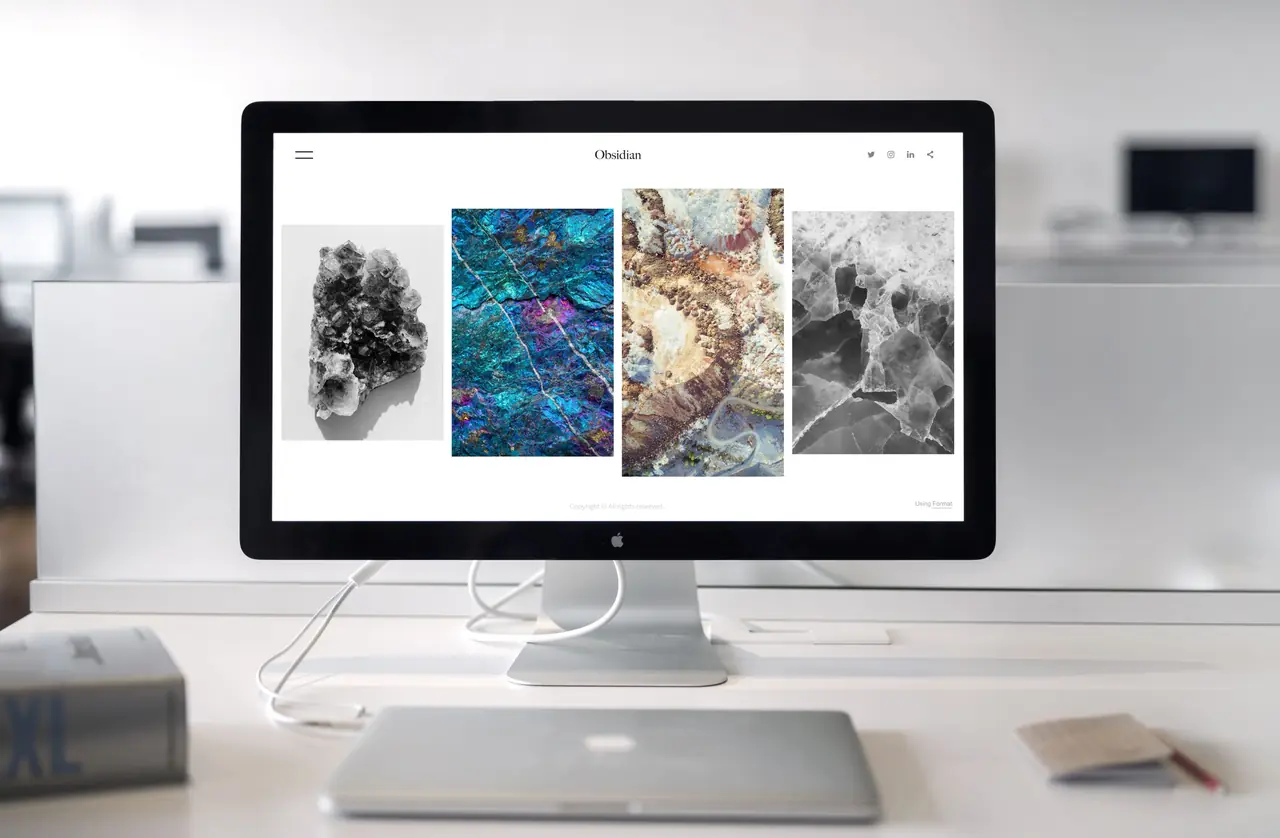
Studio Practice
Practical workshops rooted in contemporary British creative standards.
Comprehensive Syllabus
Five Core Study Pathways
Explore our curriculum covering foundational layout, interface systems, accessible UX journeys, and production-level responsive design.
Educational Framework
Theory and practice unified into deliberate creative judgement.
We reject superficial template assembly in favour of foundational design principles. Every student develops the critical vocabulary to articulate why a composition functions, how typography establishes authority, and where subtle pacing guides user intuition.
“
Precision in digital design emerges when technical restraint serves clear visual communication.
01
Fundamentals & Structural Visual Hierarchy
Investigating grid mathematics, proportion scales, negative space, and typographic cadence to form the bedrock of clean digital communication.
02
Interface Architecture & System Tokens
Structuring components, design tokens, responsive typography rules, and colour systems for scalable user interfaces that behave consistently.
03
User Experience & Usability Research
Mapping intuitive navigational paths, conducting cognitive load evaluations, and refining information architecture for clarity and ease.
04
Fluid Responsive Adaptation
Translating desktop compositions seamlessly into mobile-first experiences with considered ergonomics, fluid sizing, and accessible interaction models.
05
Curated Creative Portfolio Execution
Synthesising practical knowledge into complete, production-grade website prototypes accompanied by reasoned design documentation.
Curated Design Standards
Aesthetic Benchmarks & Layout Studies
A glimpse into the restrained, editorial aesthetic fostered across our educational modules—emphasising generous whitespace, bespoke typography, and quiet craftsmanship.

Editorial Layout Study
Asymmetric Spatial Rhythm
Exploring how offset columns and intentional negative space heighten readability and endow websites with editorial poise.

Craft & Discipline
Systematic Measurement
Translating mathematical scale principles into responsive digital design systems.

Component Architecture
Interface Hierarchy
Organising atomic UI elements into coherent, reusable design libraries.

Visual Vocabulary
Tactile Surfaces & British Design Sensibility
Drawing inspiration from classic British print heritage, our students learn how to render paper-warm surfaces and tactile outlines in pure browser code.