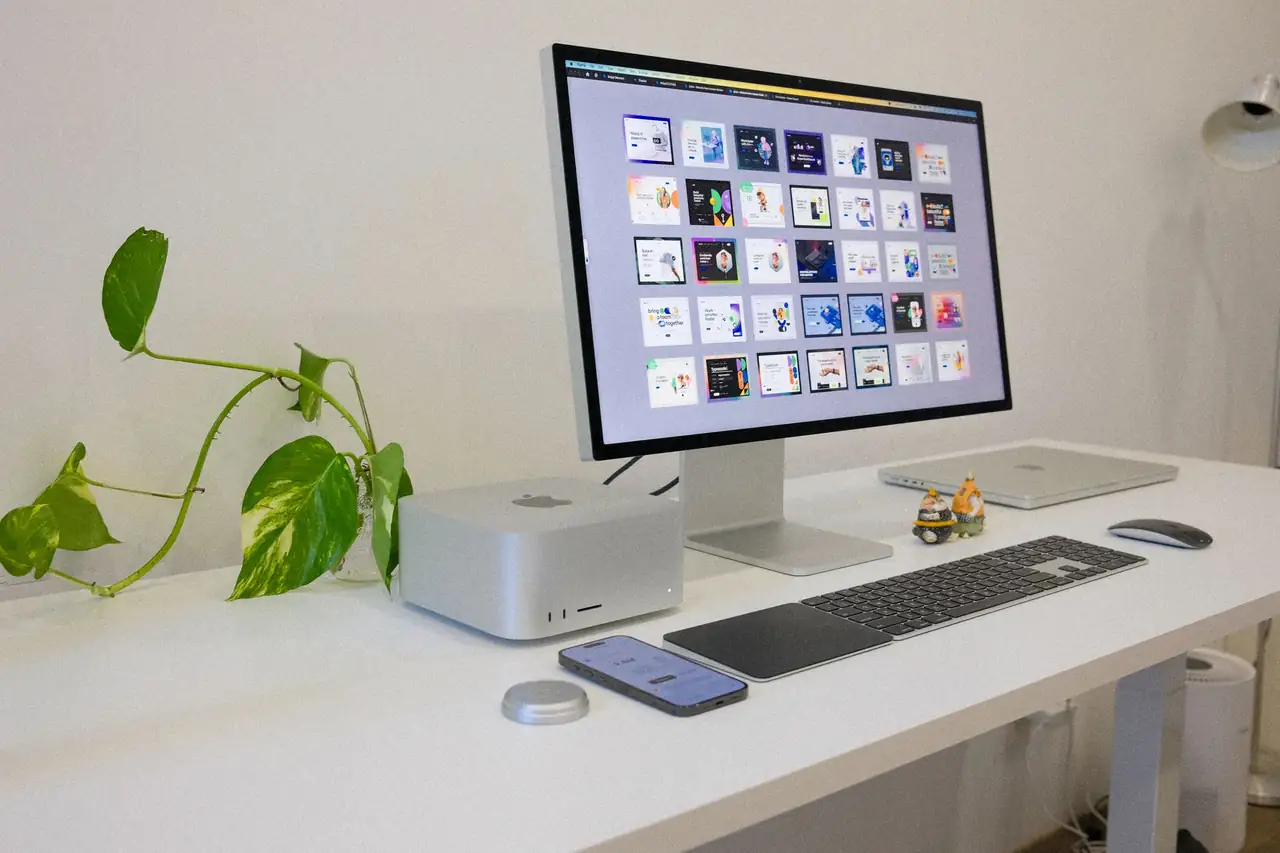
Contemporary minimalist creative workspace with high-end digital design displays
· British Educational Studio

Structured Web Design Education for Contemporary Digital Craft

We cultivate disciplined visual judgement, user interface precision, and structured design methodology for designers seeking rigorous, craft-led digital education in the United Kingdom.

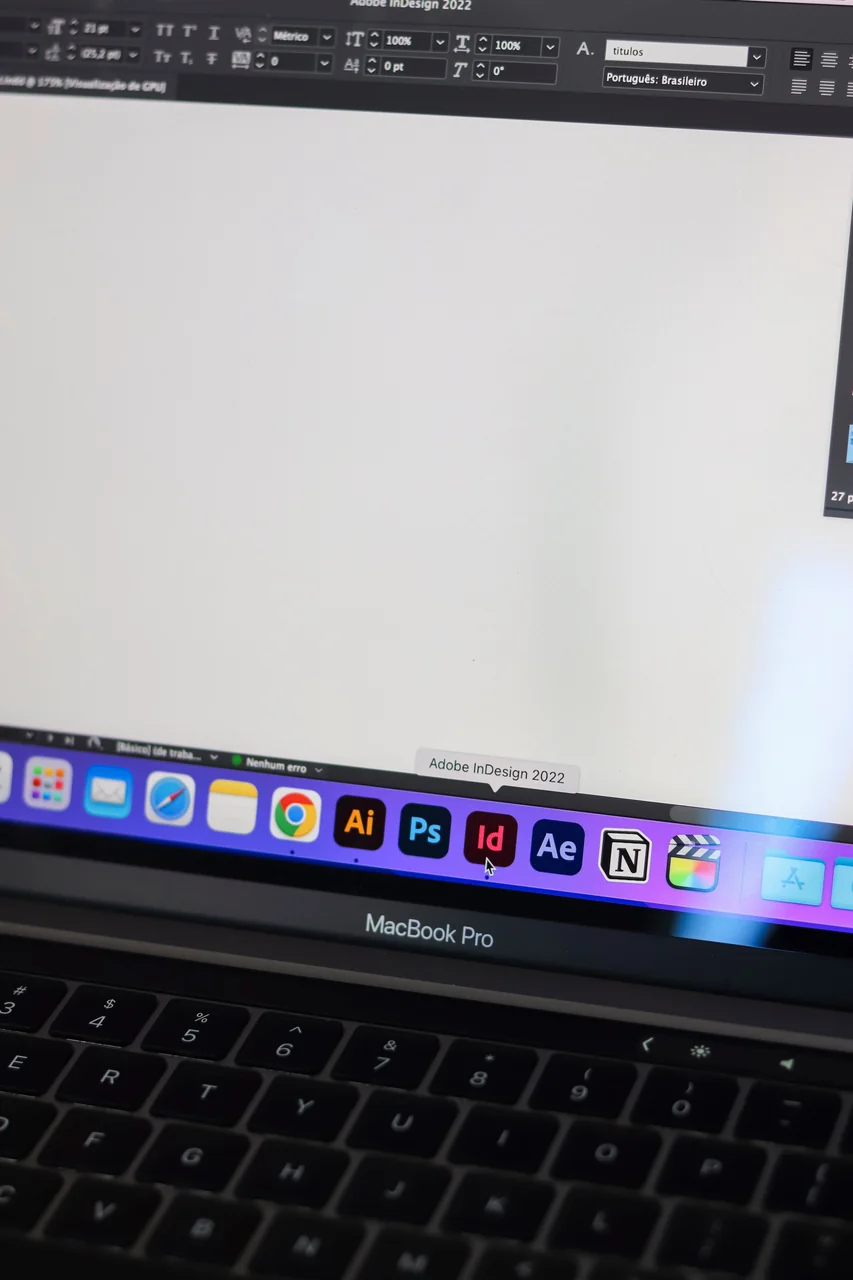
Detailed composition study on workstation display showing visual systems and typography hierarchy
Curriculum Study · Studio Practice

Rigorous typographic discipline & layout mechanics

Combining classical layout theory with responsive web architecture, contemporary component systems, and purposeful restraint.

Accredited Educational Standards

Company Registered in England & Wales · Registered No. 14827396

Our curriculum emphasizes production-grade interface principles, accessible visual systems, and structured design thinking across all five study modules.

Explore course syllabi
Foundations & Ethos

Our Story, Educational Mission & Core Principles

Our Story

Conceived to bridge the divide between theoretical taste and production reality

was founded in Greater Manchester to deliver deliberate, high-calibre digital design education rooted in clarity and architectural integrity. Rather than relying on fleeting trends or superficial website builders, our learning environment focuses on foundational craftsmanship: proportional layout, typographic hierarchy, responsive viewport behaviour, and accessible user interfaces.

We treat digital design not merely as decoration, but as an applied discipline that demands equal measures of analytical precision and creative intuition. Every syllabus we formulate is created to help learners develop deep visual literacy alongside technical composure.

Clean architectural drawing tablet and digital tools on wooden desk
Our Mission

Demystifying modern interface design through structured, practical exploration

Our educational mission is to equip learners with enduring web design capabilities that translate directly into modern digital production. We provide structured frameworks that empower designers to make rational, defendable creative decisions, ensuring that every layout, typeface pairing, and colour interaction serves genuine communicative intent.

Our Educational Values

Eight guiding tenets that govern every curriculum we deliver

1. Creativity

Encouraging expressive, thoughtful design choices that challenge formulaic patterns while maintaining clarity of purpose.

2. Clarity

Prioritising legible visual hierarchies, direct information architecture, and unencumbered communication across all mediums.

3. Quality

Cultivating high standards in spacing consistency, typographic rhythm, and balanced compositional balance.

4. Practical Knowledge

Teaching methodologies that directly reflect professional web development constraints, browser rendering realities, and modern design workflows.

5. Innovation

Exploring progressive layout techniques, fluid typography, and modern CSS principles while respecting proven ergonomic foundations.

6. Accessibility

Embedding inclusive design, WCAG contrast standards, semantic markup principles, and screen-reader awareness from day one.

7. Attention to Detail

Refining micro-interactions, border definitions, optical alignment, and colour-mix values to produce cohesive, polished digital artifacts.

8. Continuous Learning

Fostering critical self-evaluation and curiosity, giving students the analytical tools to adapt as the digital landscape evolves.

Methodology & Sequence

Our Pedagogic Approach & Structured Learning Progression

We believe design theory and practical execution must inform each other in tandem. Our structured curriculum moves students systematically from fundamental principles to autonomous, production-calibre creative projects.

01

Understanding Design Fundamentals

Students examine visual weight, optical alignment, contrast ratios, and spatial relationships. We establish how the human eye scans digital surfaces and how deliberate white space acts as an active structural element.

Focus: Gestalt principles, optical balance, grid mathematics, visual cadence.
02

Exploring Visual Communication & Typography

Type is the backbone of interface craft. This phase covers typographic hierarchy, proportional scales, line lengths, tracking, and paired serif-and-sans palettes that evoke distinct editorial voices.

Focus: Type scale ladders, vertical rhythm, micro-typography, emotional register.
03

Learning Interface Structures & Systems

Learners deconstruct digital interfaces into atomic components: control states, surface depths, form inputs, button hierarchies, and design token architectures that ensure cross-device consistency.

Focus: Design tokens, component anatomies, interactive states, affordances.
04

Developing Layout Composition & Grid Strategy

Moving beyond standard three-column templates, students master asymmetric arrangements, editorial split screens, bento distributions, and overlapping planes that guide visual flow naturally.

Focus: Multi-axis CSS Grid, Flexbox logic, focal hierarchy, negative space.
05

Understanding Responsive Design & Viewport Adaptation

Websites inhabit dynamic viewports. Learners study fluid typography clamps, responsive image handling, mobile ergonomics, and strict media query cascades that respect touch interaction.

Focus: Mobile-first adaptations, breakpoint hierarchies, touch targets, fluid clamps.
06

Applying Design Principles to Real-World Briefs

Synthesising prior phases into cohesive prototypes. Students tackle realistic briefs, conducting content audits, wireframing user flows, and stress-testing layout choices against edge-case constraints.

Focus: User journeys, edge-case states, accessibility auditing, editorial balance.
07

Exploring Independent Creative Projects

The culmination of the curriculum: developing an independent, production-ready portfolio piece. Students articulate creative direction decisions, rationalise system tokens, and document their design thinking.

Focus: Creative direction, design critique, documentation, self-directed exploration.
Collective Faculty

Multidisciplinary Practice, Unified by Pedagogic Rigour

Our educational collective brings together experienced design practitioners, interface researchers, and digital typographers from across the British creative sector. We do not parade celebrity guest lecturers; instead, we operate as a unified teaching studio committed to individual mentorship, critical design critique, and pragmatic methodology.

Every curriculum module is peer-reviewed to ensure that lessons reflect real browser rendering realities, semantic HTML5 standards, and contemporary design workflows rather than transient aesthetic gimmicks.

Our Institutional Vision

Accessible, thoughtful digital design education for the UK creative economy

We envision an educational landscape where aspiring and mature designers alike master the timeless principles of visual communication. By demystifying the technical and compositional aspects of web craft, empowers creative professionals to build resilient, accessible, and unforgettable digital spaces.

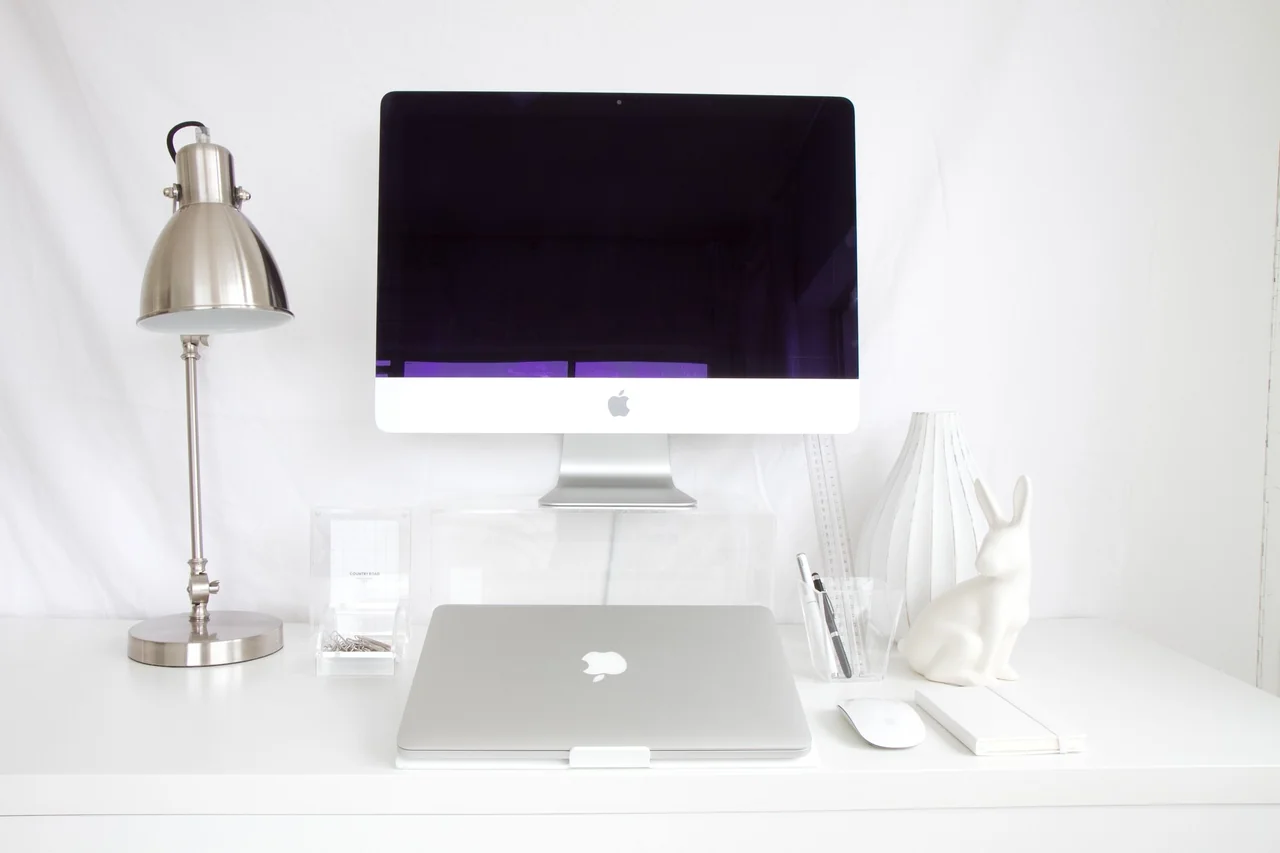
Minimalist design studio environment with clean white computer desk and structured layout
Studio Environment · Heaton Moor, Stockport
Creative professional focused on technical UI screen work
Focused Interface Review & Critique
Practical Clarifications

Frequently Asked Questions

Common enquiries regarding , our educational background, company registration, and course structure.

Where is registered and based?

is an officially incorporated British private limited company (Company Number: 14827396). Our registered office is located at . We operate under VAT registration GB 417 3829 56.

What is the core educational focus of the company?

We specialise strictly in modern web design education, user interface (UI) design systems, user experience (UX) fundamentals, typographic composition, and responsive layout architecture. Our courses blend formal aesthetic theory with practical digital implementation.

Are the educational programmes suitable for beginners?

Yes. Our foundational courses begin with core design thinking, visual hierarchy, layout geometry, and colour theory, making them accessible to newcomers. Advanced modules progressively introduce complex design tokens, responsive breakpoints, and system design.

What distinguishes UI design from UX design within your curriculum?

UI design addresses the visual execution: typography, colour palettes, spacing scales, button affordances, and surface depth. UX design focuses on the architectural logic: user journeys, information hierarchy, wireframes, cognitive load, and accessibility standards. Both disciplines are taught as interdependent practices.

Are practical design exercises and portfolio projects included?

Every module includes practical creative exercises such as type-pairing studies, layout grid challenges, responsive adaptation tasks, and independent portfolio briefs. Students graduate with articulate rationales behind their design choices.

How can prospective students or organisations contact ?

You may reach our team directly via email at info@aureqelvianoria.com or telephone at +44 161 826 4937. You can also submit an enquiry using the form on our dedicated contact page.